The Importance of Thoracic Surgery Doctors in Modern Medicine
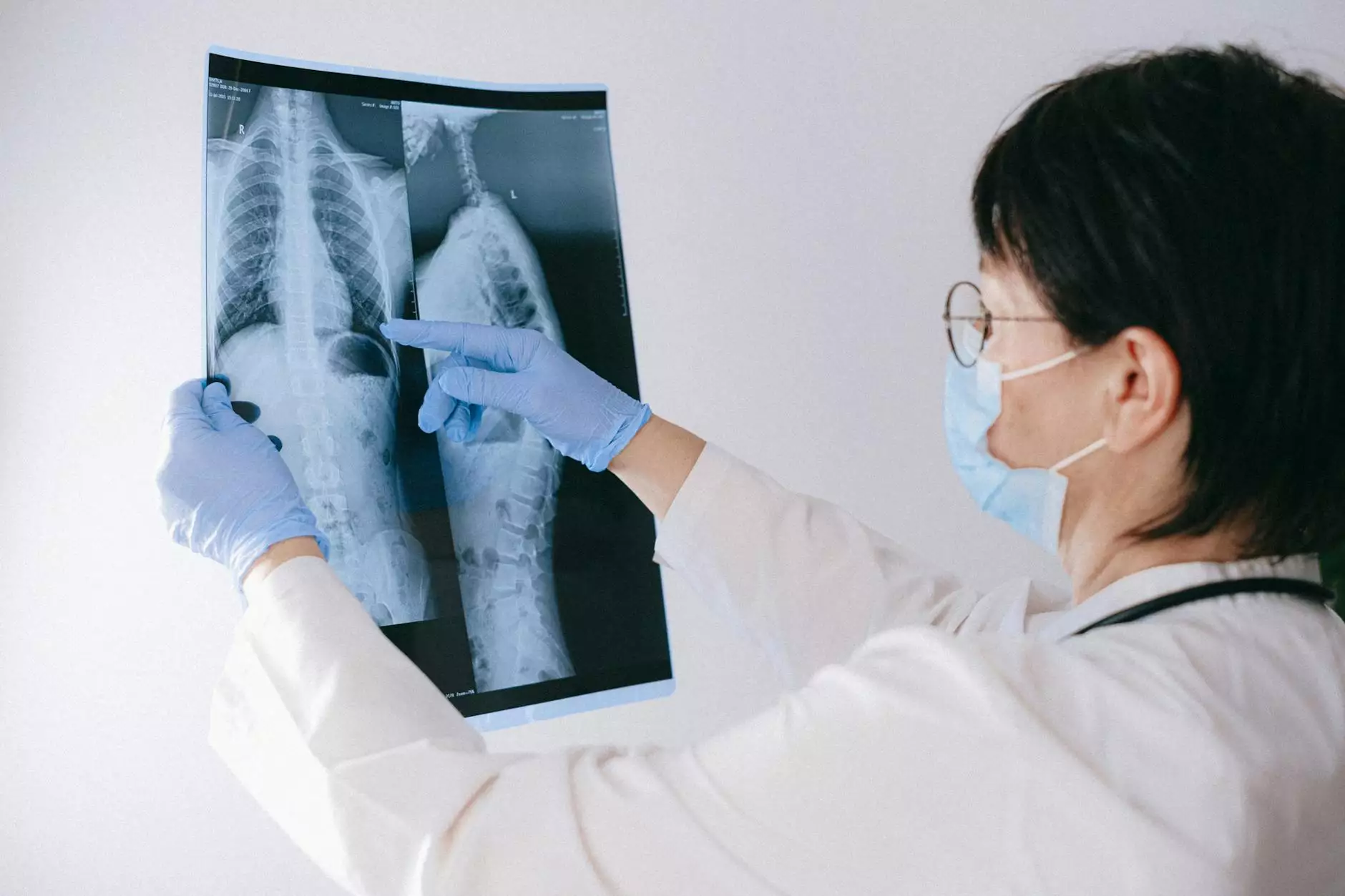
Thoracic surgery is a specialized field of medicine focused on surgical interventions within the chest area, including the lungs, heart, esophagus, and other structures. Thoracic surgery doctors, also known as cardiothoracic surgeons, play a crucial role in diagnosing, managing, and treating conditions that affect these vital organs. This article delves into the extensive responsibilities of thoracic surgery doctors, the innovative procedures they perform, and their impact on patient health.
Who Are Thoracic Surgery Doctors?
Thoracic surgery doctors are highly trained medical professionals specializing in surgical treatment of diseases within the thoracic cavity. These specialists undergo rigorous training, often completing:
- Medical School: A four-year program leading to a Doctor of Medicine (MD) or Doctor of Osteopathic Medicine (DO) degree.
- General Surgery Residency: Five to seven years of general surgical training.
- Thoracic Surgery Fellowship: An additional two to three years of focused training in thoracic surgery.
Through this extensive training, thoracic surgery doctors gain expertise in various surgical techniques and the management of complex thoracic diseases. Their skills often extend to minimally invasive procedures, allowing for quicker recovery times and reduced pain and scarring.
The Range of Conditions Treated by Thoracic Surgery Doctors
Thoracic surgery doctors are equipped to handle a wide variety of medical conditions, including:
- Lung Cancer: One of the most common reasons patients require thoracic surgery, involving procedures such as lobectomy, pneumonectomy, or wedge resection.
- Esophageal Disorders: Surgeries to treat conditions like esophageal cancer or achalasia, often requiring esophagectomy.
- Cardiac Procedures: Their training also includes surgical procedures on the heart, such as coronary artery bypass grafting (CABG).
- Thoracic Aneurysms: Surgical repair of aneurysms in the thoracic aorta is critical to prevent life-threatening ruptures.
- Pleural Diseases: Conditions like pleural effusions and empyemas that may necessitate drainage procedures or thoracotomy.
Lung Cancer: A Primary Focus of Thoracic Surgery
Among various conditions treated, lung cancer stands out as a primary focus for thoracic surgery doctors. Lung cancer is the leading cause of cancer-related deaths worldwide, thus making early detection and intervention essential. Thoracic surgeons utilize the following strategies in lung cancer treatment:
- Early Diagnosis: Collaborating with oncologists to devise comprehensive treatment plans upon the initial diagnosis.
- Resection Procedures: Removal of cancerous lung tissue, often using advanced imaging techniques for precise targeting.
- Adjuvant Therapies: Coordination with other healthcare professionals to incorporate chemotherapy and radiation therapy as necessary.
Innovative Techniques and Technologies in Thoracic Surgery
Thoracic surgery has evolved significantly over the past few decades, largely due to advancements in medical technology. Here are some cutting-edge techniques employed by thoracic surgery doctors:
Minimally Invasive Surgery: The Future of Thoracic Procedures
Minimally invasive techniques, such as video-assisted thoracoscopic surgery (VATS), have revolutionized the field. These techniques prioritize smaller incisions, resulting in:
- Less Pain: Patients typically experience reduced postoperative pain.
- Quicker Recovery: Hospital stays are shortened, and patients return to normal activities much faster.
- Minimized Scarring: Smaller incisions lead to less visible scarring, which is often a significant concern for patients.
Robotic-Assisted Surgery
Another advancement is robotic-assisted surgery, which provides surgeons with enhanced precision and control. Key benefits of this approach include:
- Improved Visualization: 3D magnification allows for better identification of structures.
- Enhanced Dexterity: Robotic instruments can maneuver in tight spaces, improving surgical outcomes.
- Reduced Blood Loss: The precision of robotic surgery lowers the risk of excessive bleeding during procedures.
Collaboration with Other Medical Specialists
Thoracic surgery doctors frequently collaborate with other medical professionals to provide comprehensive care. This multidisciplinary approach enhances patient outcomes and typically involves:
- Oncologists: Working hand-in-hand to devise treatment strategies for lung cancer patients.
- Pulmonologists: Collaborating on preoperative assessments and postoperative respiratory management.
- Radiologists: Utilizing advanced imaging techniques to guide surgical planning and intervention.
- General Practitioners: Ensuring continuity of care and regular follow-ups for patients post-surgery.
The Importance of Patient Education and Support
Patient education is a significant aspect of a thoracic surgery doctor’s role. By helping patients understand their conditions and treatment options, thoracic surgeons empower them to make informed decisions about their health. This often includes:
- Pre-Surgery Consultations: Discussing risks and benefits to ensure patients grasp their options.
- Post-Surgery Guidance: Providing information on recovery expectations and potential complications.
- Palliative Care Coordination: In cases where surgery may not be a viable option, offering support in managing symptoms and improving quality of life.
Choosing the Right Thoracic Surgery Doctor
Selecting the right thoracic surgery doctor is imperative for optimal outcomes. Potential patients should consider the following factors when making their choice:
- Credentials: Verify the doctor’s board certifications and track records in specific procedures.
- Experience: Look for surgeons who specialize in your condition and have performed a significant number of related surgeries.
- Hospital Affiliations: Ensure the surgeon is affiliated with a reputable medical center known for thoracic surgical excellence.
- Patient Reviews: Read testimonials from previous patients to gauge experiences and care quality.
The Future of Thoracic Surgery
As technology continues to advance, the field of thoracic surgery is poised for further transformation. Future trends may include:
- Artificial Intelligence: Use of AI to enhance diagnostic accuracy and surgical planning.
- Personalized Medicine: Tailoring treatment plans based on genetic and molecular profiling of tumors.
- Telemedicine: Expanding access to thoracic specialists through virtual consultations and follow-ups.
Conclusion: The Vital Role of Thoracic Surgery Doctors
In summary, thoracic surgery doctors are indispensable in the medical community, offering expert care for complex conditions affecting the thoracic organs. Their blend of surgical skill, innovative technology, and collaborative approach ensures that patients receive the highest level of care. As advances in medicine continue to reshape the landscape of thoracic surgery, these seasoned professionals will remain at the forefront, dedicated to improving patient outcomes and quality of life.
For more information on thoracic surgery and to find expert surgeons, visit neumarksurgery.com.