Street Cleaning Trucks: Keeping Our Cities Clean
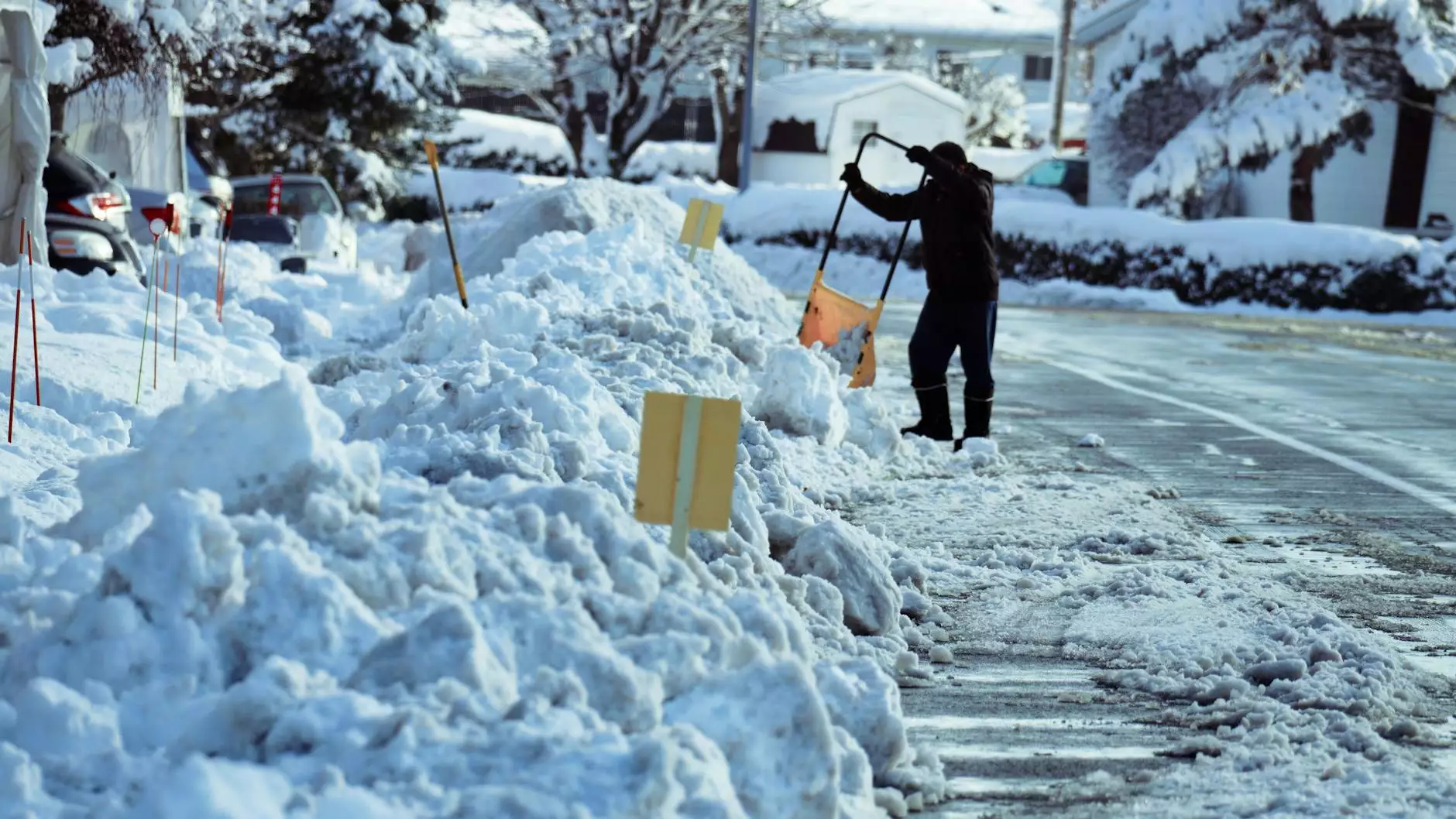
Street cleaning trucks play a vital role in urban maintenance and environmental sustainability. Their significance goes beyond just cleaning the streets; they are crucial for enhancing the overall quality of life in communities. In this comprehensive article, we will delve into the various aspects of street cleaning trucks, including their technology, benefits, and the future of urban cleaning solutions.
The Importance of Street Cleaning
As urban populations continue to grow, maintaining clean streets becomes increasingly important. Clean streets not only enhance the aesthetic appeal of a city but also promote public health and environmental sustainability. Regular street cleaning can:
- Improve Public Health: Accumulating debris and waste can lead to health hazards. Street cleaning helps reduce pollutants that can affect air and water quality.
- Enhance Safety: Clean streets decrease the likelihood of accidents caused by debris and obstructions.
- Promote Sustainability: Effective street cleaning contributes to recycling efforts and reduces the accumulation of waste in landfills.
- Boost Community Pride: Well-maintained public spaces foster a sense of pride among residents and encourage community engagement.
How Do Street Cleaning Trucks Work?
Modern street cleaning trucks are equipped with advanced technology that allows them to operate efficiently. These vehicles utilize various systems to ensure that all types of debris are effectively removed from the streets:
Suction System
The core component of a street cleaning truck is its suction system, which consists of a powerful vacuum that can pick up dirt, leaves, and other debris from the pavement. This system is typically complemented by:
- Brushes: Mechanical brushes rotate to loosen debris from the pavement, allowing the suction system to collect it more easily.
- Water Spray: Many models include a water spray system to minimize dust and improve debris removal.
Technology Integration
In recent years, street cleaning trucks have become more technologically advanced. Innovations such as GPS tracking and smart sensors enable operators to optimize cleaning routes and schedules. This ensures that cleaning operations are both efficient and effective, reducing operational costs and valuable resources.
Types of Street Cleaning Trucks
There are several types of street cleaning trucks, each designed for specific cleaning tasks:
Mechanical Broom Sweepers
These trucks use rotating brooms to sweep dirt and debris into a collection hopper. They are particularly effective for picking up larger debris and are often used in residential areas.
Suction Sweepers
Suction sweepers are designed to remove finer particles and are perfect for cleaning streets in industrial areas and busy urban centers. Their powerful suction capabilities make them ideal for both dry and wet debris.
Benefits of Using Street Cleaning Trucks
The utilization of street cleaning trucks offers numerous benefits, including:
- Cost Efficiency: By investing in advanced street cleaning trucks, cities can reduce their long-term maintenance costs by prolonging the lifespan of roads and minimizing the need for expensive repairs.
- Environmental Benefits: Street cleaning trucks help prevent pollutants from entering stormwater systems, thereby protecting local waterways and ecosystems.
- Enhanced Aesthetics: Regular cleaning keeps streets looking good and can increase property values in the area.
- Community Well-Being: Clean and tidy streets contribute to a sense of safety and community pride.
Challenges Faced by Street Cleaning Operations
Despite their benefits, street cleaning operations face several challenges:
Budget Constraints
Cities often operate under tight budgets, making it difficult to allocate sufficient funds for street cleaning initiatives, including the purchase and maintenance of street cleaning trucks.
Operator Training
Effectively operating street cleaning trucks requires specialized training. Ensuring that drivers are well-trained can be a challenge but is essential for safety and efficiency.
Weather Conditions
Adverse weather conditions can impede street cleaning efforts, particularly during heavy rain or snowfall, which can leave debris scattered across streets.
The Future of Street Cleaning Vehicles
The future of street cleaning trucks looks promising, with many cities embracing new technologies. Some trends include:
Electric Street Cleaning Trucks
As more cities strive to reduce their carbon footprints, the shift to electric street cleaning trucks is gaining momentum. These vehicles operate with minimal emissions, contributing to cleaner air in urban environments.
Autonomous Cleaning Technology
Emerging technologies in automation may lead to the development of autonomous street cleaning trucks. These vehicles can operate on pre-set routes, optimizing cleaning operations while ensuring efficiency.
Case Studies: Successful Street Cleaning Initiatives
City of San Francisco
San Francisco has implemented an innovative street cleaning program that utilizes smart technology to track and manage street cleaning routes. This initiative has resulted in cleaner streets and quicker response times to complaints about debris.
City of New York
New York City employs a fleet of modern street cleaning trucks that are integrated with advanced GPS technology. This has allowed the city to effectively plan cleaning schedules and reduce the occurrence of missed cleanings.
Conclusion: The Role of Street Cleaning Trucks in Urban Sustainability
In conclusion, street cleaning trucks are an indispensable asset to urban maintenance. Their ability to enhance public health, safety, and environmental sustainability cannot be overstated. As cities continue to evolve, investing in modern technologies and sustainable cleaning practices will ensure cleaner, healthier communities for generations to come.
Explore More at Ceksan Sweepers
For those interested in learning more about street cleaning solutions and innovative cleaning vehicle technologies, visit Ceksan Sweepers. They offer a wide range of options tailored to meet the specific needs of any urban environment.