Understanding Vet Oral Medications: A Comprehensive Guide
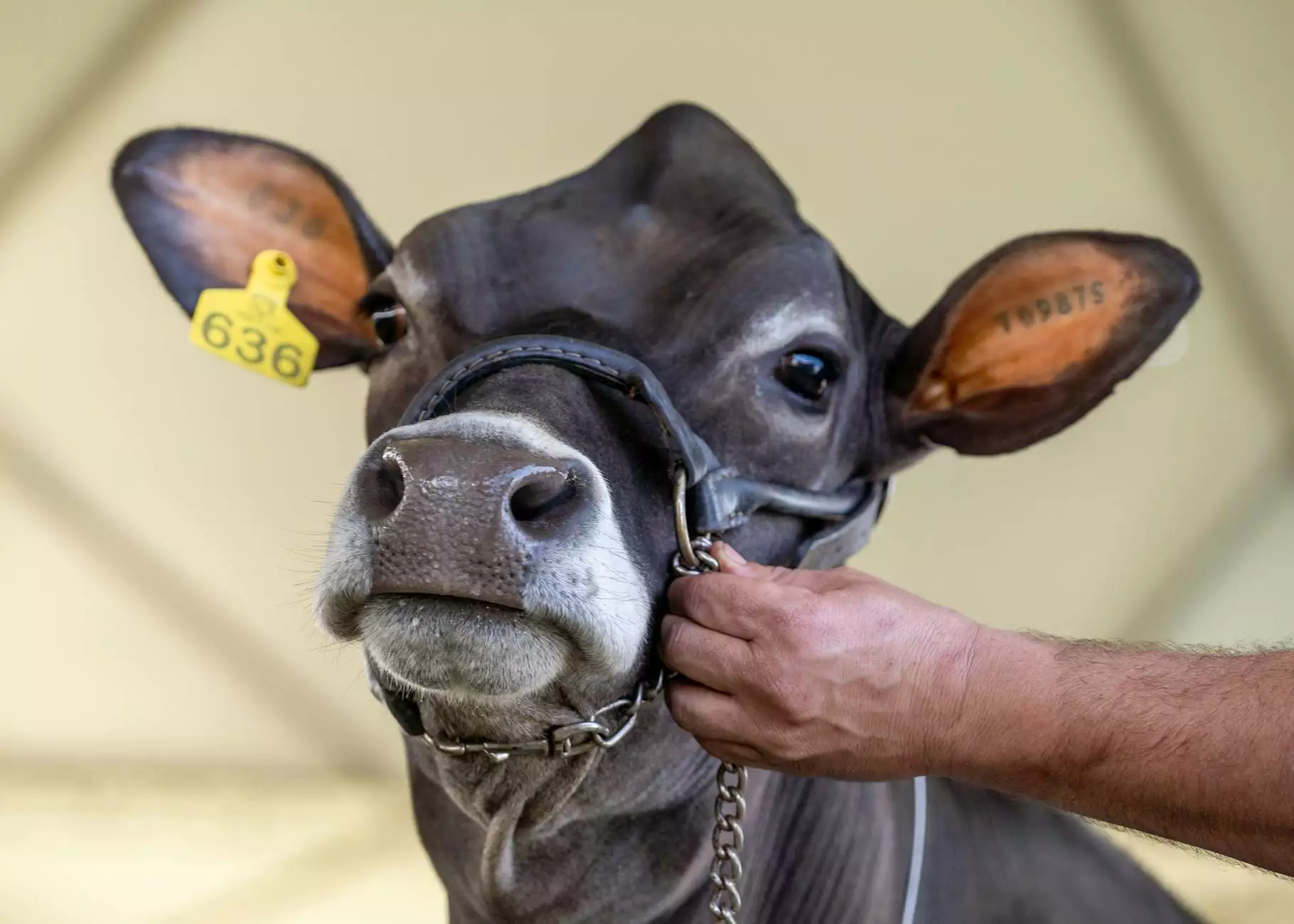
When it comes to maintaining the health and well-being of our beloved pets, vet oral medications play a crucial role. As pet owners, it is vital to understand the importance, types, and administration of these medications to ensure our furry friends lead happy, healthy lives. In this comprehensive article, we will explore various aspects of vet oral medications, aiming to equip you with the knowledge needed for effective pet care.
What Are Vet Oral Medications?
Vet oral medications are prescribed drugs administered orally to pets for the treatment of various health conditions. These medications can range from simple over-the-counter solutions for minor ailments to more complex prescriptions for chronic issues. Understanding how these medications work and their applications can significantly improve the health of your pet.
Types of Vet Oral Medications
Vet oral medications can be categorized into various types, each serving different purposes. Here are the primary categories:
- Antibiotics: Used to fight bacterial infections.
- Anti-inflammatories: Help reduce inflammation and pain.
- Antiparasitics: Effective against parasites such as worms and fleas.
- Analgesics: Pain relief medications for various conditions.
- Anticonvulsants: Used to manage seizures in pets.
- Cardiovascular Medications: For heart diseases and related issues.
Benefits of Vet Oral Medications
The benefits of using vet oral medications are vast and varied. Here are some of the most notable advantages:
- Convenience: Administering oral medications can often be simpler than injections or topical solutions.
- Wide Availability: Many vet oral medications are readily available, both by prescription and over the counter.
- Effective Treatment: Oral medications can effectively treat a wide range of ailments, ensuring pets receive the relief they need.
- Improved Compliance: Most pets find it easier to take oral medications compared to other forms, leading to improved treatment adherence.
- Cost-Effective: Many oral medications can be less expensive compared to alternative treatment methods.
How to Administer Vet Oral Medications
Administering medication to your pet can sometimes be a challenging task. However, with the right techniques, it can be done successfully. Here are some effective methods:
1. Direct Administration
This involves opening your pet’s mouth and placing the medication as far back on the tongue as possible. Ensure to hold their mouth closed until they swallow.
2. Using Treats
Masking the medication within a small amount of food or a treat can make administration easier. Soft treats or peanut butter can be effective for this method.
3. Pill Pockets
These are specially designed treats that have a pocket to hide pills. They can help pets take their medications without fuss.
4. Liquid Medications
Many vet oral medications come in liquid form, which can be easier to administer using a syringe. Ensure you aim for the back of the throat to encourage swallowing.
5. Compounding Services
For pets that refuse pills, compounding pharmacies can create flavored liquid forms or chewable tablets from prescribed medications. This can significantly enhance compliance.
Common Mistakes to Avoid
When it comes to giving vet oral medications, there are several common pitfalls that pet owners should be aware of:
- Not following dosage instructions: Always adhere to the dosage prescribed by your veterinarian.
- Skipping doses: Consistency is key; always administer medications at the same time each day.
- Giving human medications: Never administer human medication to pets without consulting a vet.
- Ignoring side effects: Monitor your pet for any adverse reactions and contact your vet if you notice anything unusual.
Understanding Side Effects of Vet Oral Medications
Like all medications, vet oral medications can have side effects. Being aware of these can help in managing your pet's health effectively:
- Gastrointestinal Issues: Vomiting, diarrhea, or loss of appetite can occur. Consult your vet if these symptoms persist.
- Allergic Reactions: Symptoms may include itching, swelling, or difficulty breathing. Immediate veterinary attention may be necessary.
- Behavioral Changes: Some pets may experience lethargy or hyperactivity; monitor your pet’s behavior closely.
- Kidney or Liver Effects: Long-term usage can sometimes lead to organ issues. Regular vet check-ups can help monitor these risks.
The Importance of Regular Veterinary Consultations
While knowledge is essential, nothing can replace the guidance of a qualified veterinarian. Regular check-ups ensure your pet receives comprehensive assessments of their health and any necessary adjustments to their medication regimen.
When to Visit the Vet
Take your pet to the vet if you notice:
- Changes in appetite or weight.
- Abnormal behavior or lethargy.
- Signs of pain or discomfort.
- Reactions to medications.
Conclusion
In conclusion, understanding vet oral medications is vital for all pet owners. They provide an effective means to treat various ailments and ensure our pets can live their best lives. By following the guidelines mentioned in this article, you can administer these medications with confidence, ensuring your furry friend receives the care they deserve. Remember to consult your veterinarian for specific advice tailored to your pet's individual health needs.
At Racehorse Med Care, we strive to provide the best information and resources for your pet's health. For more insights on pet care and medications, feel free to explore our comprehensive pharmacy services.