Understanding Endometriosis Excision Surgery: A Comprehensive Guide
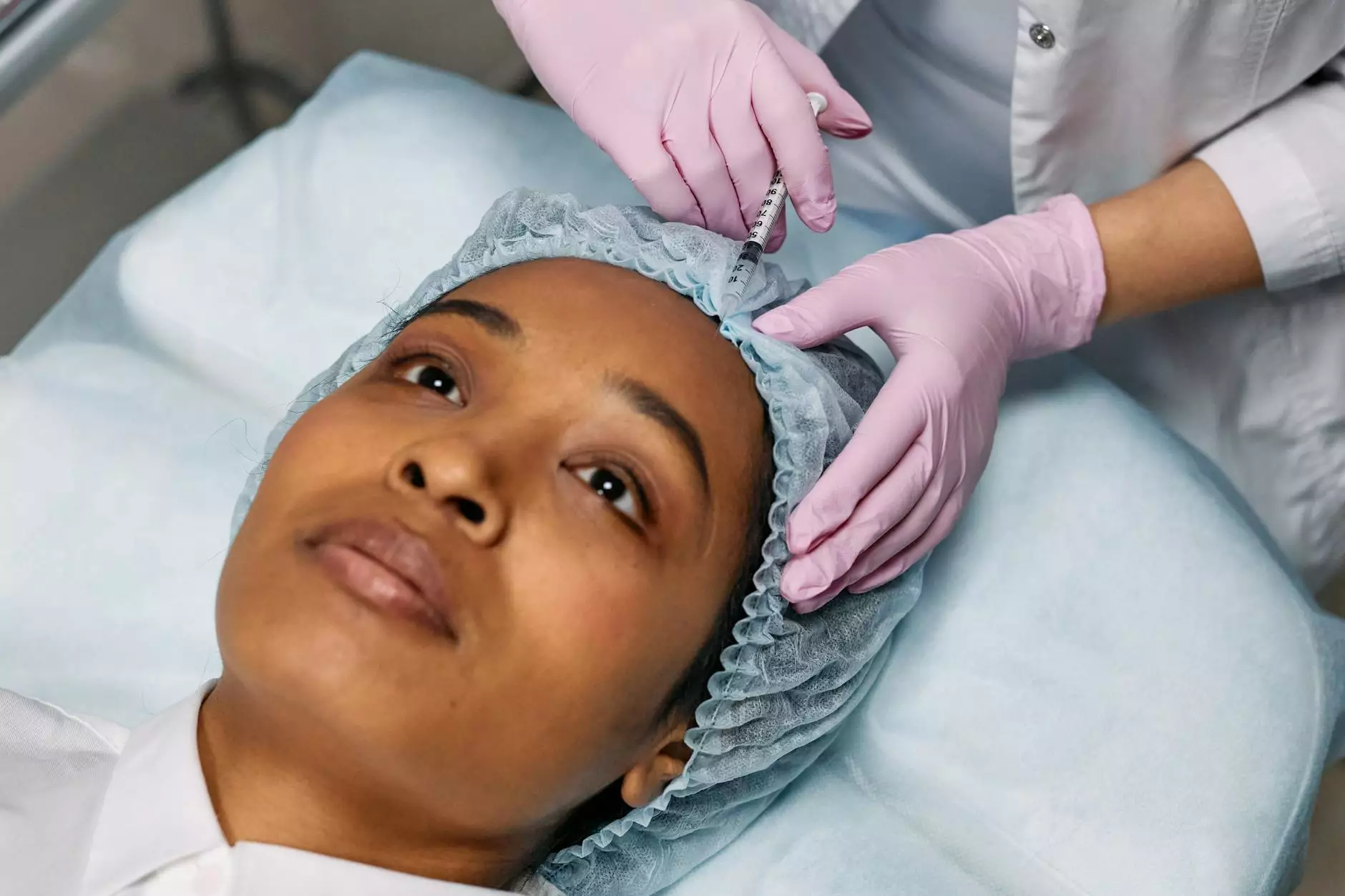
Endometriosis is a condition that affects millions of women worldwide, causing chronic pain, infertility, and a variety of debilitating symptoms. One of the most effective treatments for this condition is endometriosis excision surgery, which aims to remove endometriotic tissue while preserving healthy tissue. This article will explore the importance, benefits, and impact of endometriosis excision surgery, as well as recovery tips to help women regain their quality of life.
What is Endometriosis?
Endometriosis is a disorder in which tissue similar to the lining of the uterus grows outside the uterus. It can lead to inflammation, scarring, and the formation of adhesions, causing pain and other serious complications. Common symptoms include:
- Pelvic Pain: Often associated with menstrual cycles.
- Heavy Menstrual Bleeding: Menorrhagia or bleeding between cycles.
- Infertility: Difficulty conceiving is a common concern for women with endometriosis.
- Painful Intercourse: Discomfort during or after sex.
- Bowel and Urinary Symptoms: Pain during bowel movements or urination.
What is Endometriosis Excision Surgery?
Endometriosis excision surgery is a surgical procedure designed to remove endometrial tissue that has developed outside of the uterus. Unlike ablation, which destroys the endometrial tissue, excision involves cutting it out entirely. This can lead to improved outcomes for many patients.
Why Opt for Excision Surgery?
Excision surgery is often recommended for women who have:
- Severe Symptoms: Those whose pain is not well-managed with medication.
- Complete or Partial Blockage: In cases where endometriosis has caused significant anatomical changes.
- Infertility: Women looking to improve their chances of conception.
Benefits of Endometriosis Excision Surgery
The decision to undergo endometriosis excision surgery can be life-changing. Here are some key benefits:
- Effective Pain Relief: Many women experience significant relief from chronic pain after surgery.
- Improved Fertility: The removal of endometriosis can enhance fertility in women planning to conceive.
- Minimally Invasive Options: Many excision procedures can be performed laparoscopically, resulting in quicker recovery times.
- Long-Term Results: Studies suggest that excision surgery may provide longer-lasting relief compared to other treatments.
The Excision Surgery Procedure
The endometriosis excision surgery procedure usually involves several steps:
- Consultation: Discuss your symptoms and medical history with your surgeon.
- Pre-operative Preparation: You may need to undergo imaging tests, such as an ultrasound or MRI.
- Anesthesia: The surgery is typically performed under general anesthesia.
- Laparoscopic Surgery: Surgeons use small incisions and a camera to guide the surgery.
- Tissue Removal: Endometrial tissue is carefully excised, ensuring minimal damage to surrounding areas.
- Recovery: Patients are monitored post-surgery before being discharged with aftercare instructions.
Recovery After Endometriosis Excision Surgery
Recovery from endometriosis excision surgery can vary, but here are some tips for a smoother healing process:
- Follow Post-Operative Instructions: Adhere to your surgeon’s guidelines regarding activity and medication.
- Manage Pain: Utilize prescribed pain relief methods to mitigate discomfort.
- Stay Hydrated: Drink plenty of fluids to assist in the healing process.
- Rest: Give your body time to heal; avoid strenuous activities for the first few weeks.
- Follow-Up Appointments: Keep all scheduled follow-ups with your healthcare provider to monitor recovery.
Understanding the Risks
As with any surgery, endometriosis excision surgery carries some risks:
- Infection: There is a risk of infection following any surgical procedure.
- Bleeding: Excessive bleeding during or after surgery may occur.
- Adhesions: Scar tissue can form after surgery, potentially leading to new complications.
- Damage to Surrounding Organs: There is a potential risk of injury to nearby organs, although rare.
Success Rates and Long-Term Outcomes
Success rates for endometriosis excision surgery are generally high, with many studies indicating:
- Symptom Relief: Over 70% of women report significant pain relief post-surgery.
- Fertility Improvements: Many women experience improved chances of conception following surgery.
- Reduced Need for Future Treatments: Fewer women may require additional surgeries or medication for symptom management.
Conclusion
In conclusion, endometriosis excision surgery represents a significant advancement in the treatment of endometriosis, providing hope and relief for many women suffering from this challenging condition. While the decision to proceed with surgery should be made with careful consideration and consultation with a qualified healthcare provider, the potential benefits in terms of pain relief and enhanced fertility make it a compelling option.
If you or someone you know is struggling with endometriosis, it's important to seek expert advice and explore your treatment options. For more information about endometriosis and surgical solutions, visit drseckin.com.