Understanding and Utilizing Horse Injections: A Comprehensive Guide
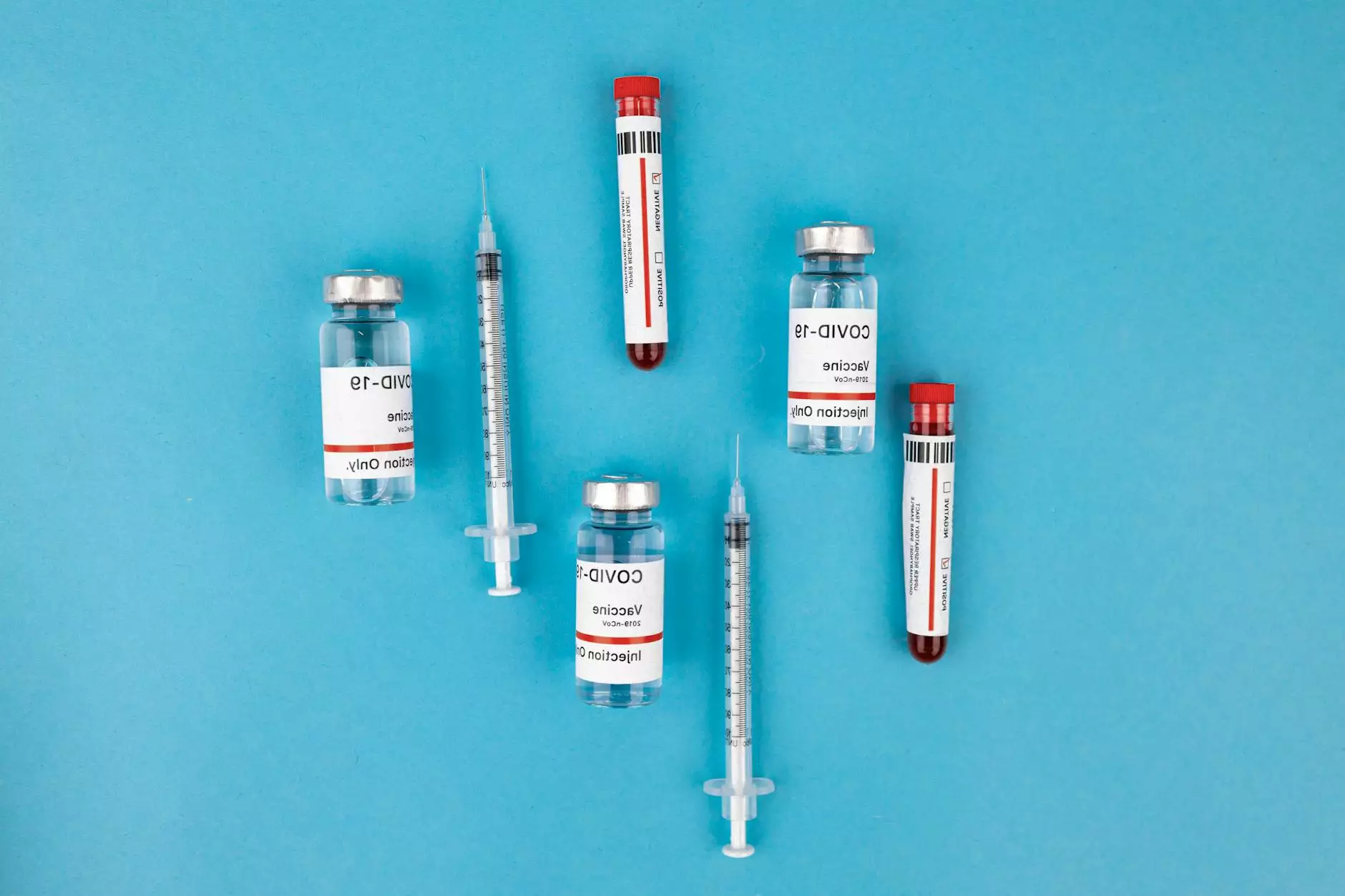
In the realm of equine care, injections play a pivotal role in ensuring the health and performance of horses. Whether for preventive measures or therapeutic purposes, horse injections are essential tools in veterinary medicine. This article delves into the various aspects of horse injections, including their types, benefits, administration techniques, and their significance in maintaining optimal health for our equine companions.
The Importance of Horse Injections
Horse injections are critical for various reasons:
- Prevention of Diseases: Vaccination through injections helps protect horses from common and severe diseases.
- Treatment of Conditions: Injections can deliver medications directly to affected areas for more effective treatment.
- Enhanced Performance: Certain injections can help improve performance and recovery in competitive horses.
- Veterinary Monitoring: Regular injections facilitate ongoing health assessments and management strategies.
Types of Horse Injections
In veterinary practice, there are several types of injections used in horses, each with distinct purposes and benefits:
1. Vaccinations
Vaccinations are among the most crucial horse injections and are designed to prevent infectious diseases. Common vaccinations include:
- West Nile Virus
- Equine Influenza
- Tetanus
- Rabies
2. Therapeutic Injections
These injections are administered to treat specific health issues. They often include:
- Anti-inflammatory drugs to relieve pain and swelling, such as corticosteroids.
- Antibiotics for bacterial infections.
- Joint injections with hyaluronic acid or corticosteroids to manage arthritis and joint issues.
3. Nutritional Injections
Sometimes horses require additional nutrients that may not be sufficiently supplied through their diet. This is where nutritional injections come into play:
- Vitamin B12 and other B vitamins for energy metabolism.
- Electrolytes to replenish after intense exertion.
- Iron supplements for anemic horses.
4. Performance Enhancers
In competitive horse racing, some injections may be used to enhance performance. It is crucial to understand the regulations around these to ensure fair competition:
- Shockwave therapy to promote healing in musculoskeletal injuries.
- Biologics like platelet-rich plasma (PRP) injections for regenerative purposes.
The Benefits of Horse Injections
Utilizing horse injections offers numerous advantages, including:
Improved Health Outcomes
By preventing diseases through vaccinations, horses are less likely to suffer from significant health issues, leading to longer, healthier lives.
Targeted Treatment Options
Injections allow for precise delivery of medication, which can be more effective than oral medications that may be less reliable due to absorption issues.
Enhanced Performance and Recovery
For competitive horses, effective management of pain and inflammation through injections can lead to enhanced performance and quicker recovery times.
How Horse Injections Are Administered
Administering horse injections requires careful technique and understanding of the horse's anatomy:
1. Intramuscular Injections
This is the most common method, where the vet injects medication directly into the muscle. Common sites include:
- Neck
- Thigh
- Chest
2. Subcutaneous Injections
These involve injecting medication beneath the skin, typically in areas with loose skin. Advantages include easier administration and less discomfort for the horse.
3. Intravenous Injections
Administered directly into the bloodstream for rapid effect. This method is often used in emergency situations or when immediate medication action is required.
Potential Risks and Considerations
While horse injections are generally safe, there are potential risks, including:
- Injection Site Reactions: Swelling or soreness at the injection site.
- Allergic Reactions: Some horses may react adversely to certain medications.
- Infection Risks: As with any injection, there is a risk of introducing bacteria.
Key Takeaways on Horse Injections
Regular horse injections are crucial in maintaining both the health and performance of horses under veterinary guidance. Understanding the types of injections available, their specific uses, and the appropriate administration techniques can empower horse owners to make informed decisions.
Conclusion
As we have explored throughout this guide, horse injections are a fundamental aspect of equine healthcare. From vaccinations that prevent potentially deadly diseases to therapeutic injections that aid in recovery and performance, injections serve as a cornerstone of preventative and reactive approaches in veterinary medicine. A strong partnership with a qualified veterinarian can ensure that your horse receives the necessary injections timely and safely, contributing to a vibrant and active life.
Further Resources
For additional information regarding horse injections, you may consider consulting the following resources:
- Racehorse Med Care - Comprehensive veterinary services and product offerings.
- American Association of Equine Practitioners - Guidelines and resources for horse health care.
- PMC - The science behind equine vaccines
By investing time in understanding horse injections and implementing them correctly, horse owners can significantly enhance the welfare of their equine companions.