The Impact of Dukmodell in the Toy Industry
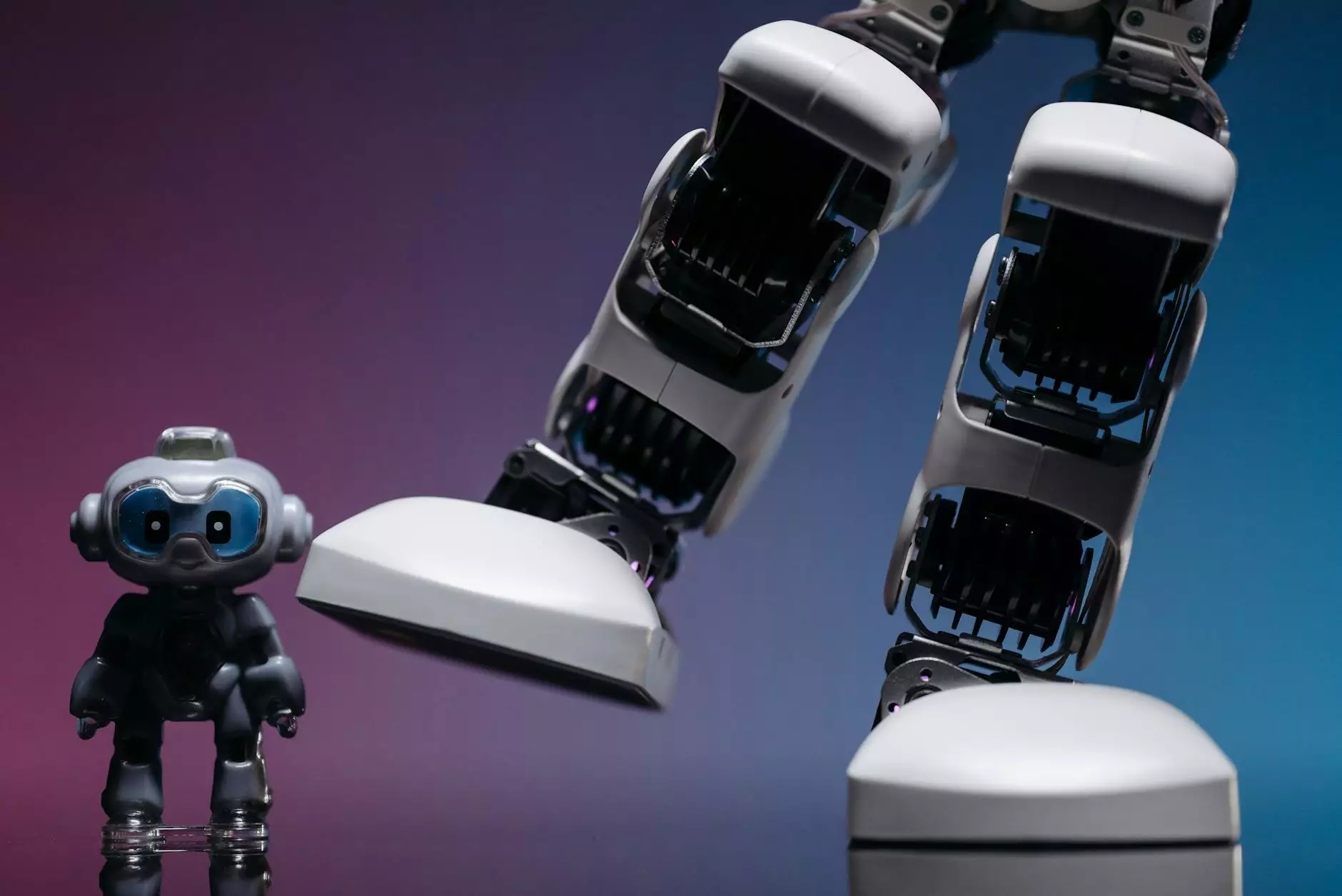
In the modern era, the concept of the dukmodell, or folding model, plays a vital role in various design fields, including the toy industry. This innovative design framework allows for enhanced creativity, functionality, and playability in toys, catering to the evolving needs of children and parents alike. In this extensive article, we will explore the significance of the dukmodell and its applications in toy design, the advantages it presents, and how businesses can effectively leverage this model to bolster their offerings.
Understanding the Concept of Dukmodell
The term dukmodell originates from the Swedish language, where it refers to models used to illustrate how fabrics drape. In a broader context, it applies to any design model that demonstrates the layout and aesthetics of a product. In the toy industry, the dukmodell serves as a foundational tool for designers who aim to create engaging and attractive toys that are also safe and educational.
The History of Dukmodell in Design
Historically, the evolution of model design, particularly the dukmodell, has been a reflection of changing societal needs, aesthetic preferences, and technological advancements. The toy industry has embraced this evolution, allowing for an array of products that are not only innovative but also rooted in thoughtful design principles. The dukmodell facilitates this by providing a clear representation of how a toy can interact with its environment, how it can be used, and how it appeals to sensory experiences.
Applications of Dukmodell in Toy Design
When it comes to toy design, the applications of the dukmodell are vast and varied. Several key areas illustrate its importance in creating toys that are delightful, educational, and safe for children.
1. Prototyping and Testing
One of the primary applications of the dukmodell in toy design is in the prototyping stage. Designers can create physical or digital prototypes that incorporate the principles of the dukmodell to test how various materials and designs will work in real life.
- Material Selection: By visualizing how materials drape, designers can select the most appropriate fabrics and materials that enhance the toy's usability and appeal.
- Functionality Testing: Models allow for hands-on testing to identify potential flaws in design, leading to improvements before mass production.
- User Interaction: Understanding how children will interact with a toy can lead to innovation in design, ensuring that toys are engaging and promote learning.
2. Enhancing Aesthetic Appeal
The dukmodell is crucial in creating visually appealing toys. Designers can utilize the model to experiment with shapes, colors, and patterns effectively.
- Color Theory: By understanding how colors interact, designers can create toys that are not only attractive but also stimulate learning.
- Form and Structure: The folding model helps designers create three-dimensional designs that catch a child's eye.
- Theme Consistency: Maintaining a coherent theme through various aspects of the toy's design fosters brand identity and recognition among consumers.
3. Safety Considerations
Safety is a paramount concern in the toy industry, and the dukmodell aids in identifying potential hazards in the design process. By focusing on how fabric and materials drape, designers can proactively address safety issues.
- Non-toxic Materials: Ensuring that all materials used are safe and non-toxic is crucial, and models provide a means to test material interactions.
- Structural Integrity: Models can help simulate how toys will hold up during play, allowing for the identification of weak points that could pose dangers.
- Child-Friendly Edges: Designs can be evaluated to ensure there are no sharp edges or small detachable parts that could be hazardous to young users.
The Benefits of Using Dukmodell in Toy Development
Utilizing the dukmodell in toy development presents numerous benefits, transforming the way toys are designed, manufactured, and marketed.
1. Fostering Creativity and Innovation
The dukmodell allows designers to visualize their ideas clearly and creatively. It encourages experimentation, leading to innovative designs that can transform the toy industry.
2. Engaging Customers and Building Brand Loyalty
A well-designed toy that incorporates the dukmodell can create engaging experiences for children. When kids enjoy their toys, they often become loyal customers, encouraging repeat purchases.
3. Streamlining Production Processes
By using the dukmodell during the design phase, companies can streamline their production processes. This can lead to cost savings and more efficient timelines, allowing products to reach the market faster.
4. Educating Consumers
The application of the dukmodell can also serve as a unique selling point, as it highlights the thoughtful design and safety considerations that go into each toy. Companies that educate consumers about their design processes tend to build stronger relationships with their customer base.
Trends Influencing the Use of Dukmodell in Toy Design
Like all industries, toy design is influenced by trends that shape market demand and consumer preferences. Understanding these trends can help businesses leverage the dukmodell effectively.
1. Sustainability
As environmentally conscious consumers continue to rise, sustainability has become a key trend. The dukmodell allows designers to create toys using sustainable materials while ensuring durability and safety.
2. Educational Focus
Today's parents seek toys that offer both fun and educational value. The dukmodell can be utilized to create toys that stimulate cognitive and motor skills while being visually appealing.
3. Digital Integration
With the rise of technology, integrating digital elements into traditional toys is becoming more popular. The dukmodell can be a useful tool in brainstorming how these elements can be incorporated without compromising the toy's design or safety.
Conclusion: The Future of Toy Design with Dukmodell
As we look to the future, the importance of the dukmodell in the toy industry cannot be overstated. This versatile model not only enhances design processes but also fosters creativity, safety, and playability. Companies like dukmodell.com that embrace this innovative design framework are likely to lead the way in redefining what toys can be in the 21st century.
In conclusion, the application of the dukmodell offers a comprehensive approach to toy design that aligns with consumer expectations and industry standards. By empowering designers and encouraging innovation, the dukmodell will undoubtedly play a critical role in the continued evolution of the toy industry.
Whether you are a designer, manufacturer, or a customer, understanding the power of the dukmodell can enhance your experience in the world of toys, making them not only fun but also functional and safe for the next generation of children.