Maximizing Efficiency: The Benefits of Transloading Rail to Truck
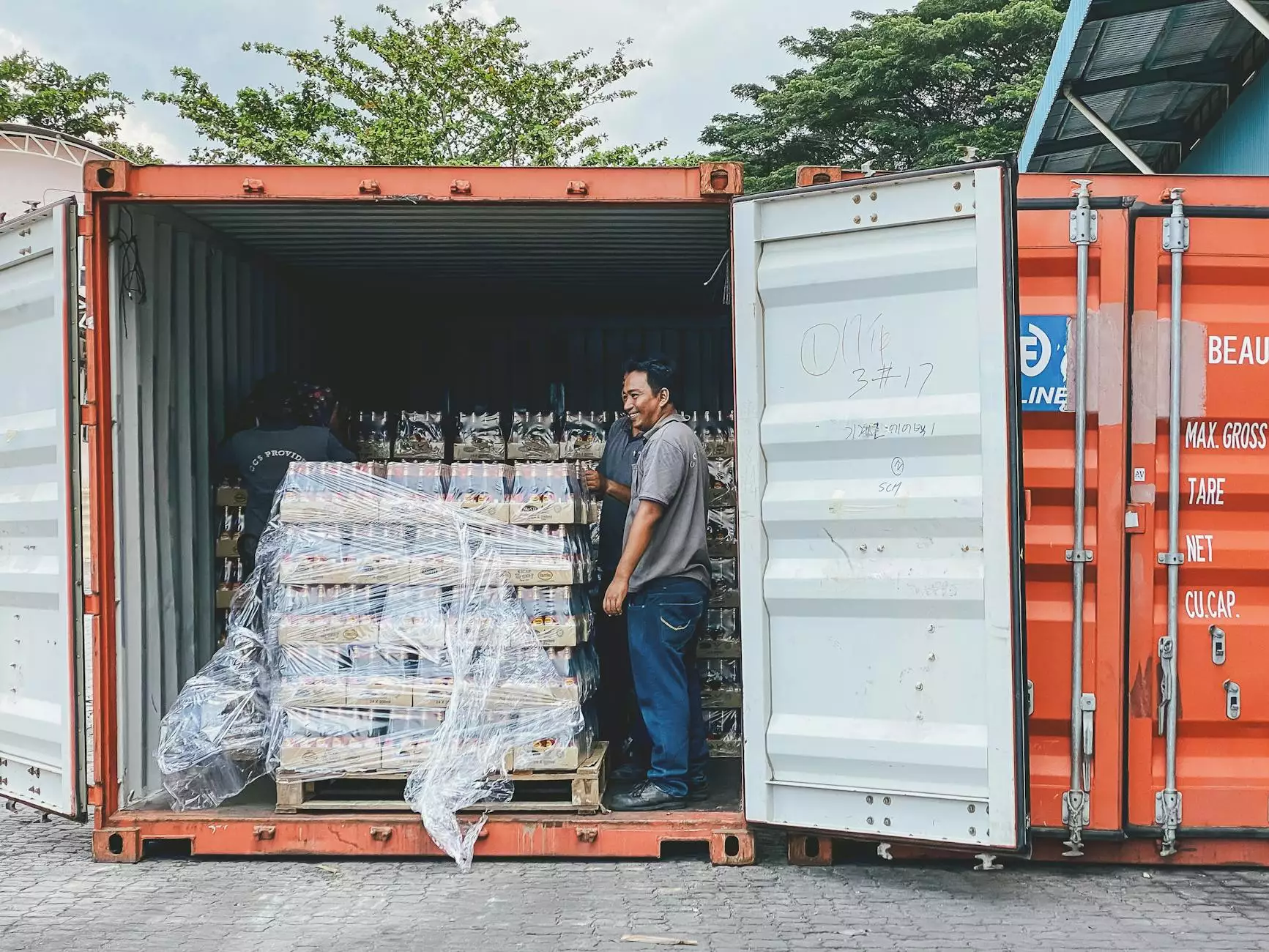
Transloading rail to truck represents a crucial element in the evolving landscape of logistics and transportation. By enabling the swift transfer of goods between railroad freight and trucking networks, this process optimizes the supply chain, enhances operational efficiency, and ultimately leads to significant cost savings. This article delves into the many advantages of transloading and why businesses should consider integrating this method into their logistics strategy.
Understanding Transloading
Transloading is the process of transferring cargo from one mode of transportation to another. This often involves moving freight from a rail car to a truck, facilitating better distribution of goods across various regions. The primary goal of transloading rail to truck is to maximize the advantages offered by each modality while overcoming inherent limitations.
Why Choose Transloading?
With the increasing demand for efficient logistics strategies, many businesses are turning to transloading for several compelling reasons:
- Cost Efficiency: Rail transportation is typically more economical for long-distance shipping. By using transloading, businesses can capitalize on lower rail rates while avoiding the high costs associated with full truckload shipping.
- Faster Time to Market: Consolidating multiple shipments at transloading facilities can streamline the shipping process, dramatically reducing transit times.
- Flexibility: Transloading offers the flexibility to adapt to market changes, ensuring quick responses to variations in demand and supply.
- Improved Reach: By employing transloading, businesses can access remote areas where rail service may be limited, effectively expanding their market reach.
The Process of Transloading Rail to Truck
The process of transloading rail to truck involves several steps, each designed to ensure cargo is transferred safely and efficiently:
- Arrival at the Transloading Terminal: Upon arriving at a transloading facility, freight is unloaded from the rail cars and assessed for any damage. This step ensures the integrity of the cargo.
- Sorting and Staging: Freight is sorted according to its final destination. This staging process can enhance the speed and efficiency of reloading trucks.
- Loading onto Trucks: After sorting, the goods are loaded onto trucks based on optimized routes to minimize empty miles and reduce costs.
- Final Delivery: Once loaded, trucks embark on the final leg of their journey, delivering goods directly to customers.
Key Benefits of Transloading Rail to Truck
As businesses continue to seek out efficiency and effectiveness in their logistics, the benefits of transloading cannot be overstated. Here are several key advantages:
1. Enhanced Cost Savings
One of the most significant benefits of transloading is cost savings. Rail freight often provides lower shipping rates compared to truck freight, making it an attractive option for long-haul shipments. By using transloading, businesses can enjoy these lower rates while still benefiting from the flexibility and reach of truck transportation for final delivery.
2. Increased Speed and Efficiency
The ability to quickly exchange modes of transportation can significantly reduce shipping times. With effective scheduling and the right infrastructure, businesses can streamline logistics processes, leading to quicker deliveries and improved customer satisfaction.
3. Scalability
As companies grow, their logistics needs often evolve. Transloading can easily accommodate scaling operations. Businesses can simply add more transloading facilities or adjust existing ones to handle increased volumes.
4. Environmental Benefits
Transloading can also present environmental advantages. Rail transportation is typically more energy-efficient than trucking, particularly over long distances. By maximizing rail use through transloading, businesses can reduce their carbon footprint and support sustainable shipping practices.
Considerations When Implementing Transloading
While transloading presents numerous benefits, it is essential for businesses to consider several factors before implementation:
1. Choosing the Right Location
Effective transloading requires strategically located terminals. Accessibility to major rail lines and highways is crucial. Businesses should assess potential locations based on current and future shipping needs.
2. Selecting the Right Partners
Partnering with the right logistics providers can streamline the transloading process. Evaluate potential providers based on their technology, infrastructure, and track record in the industry.
3. Technology Integration
Utilizing the latest logistics technology can enhance transloading efficiency. Inventory management systems, tracking solutions, and automated processes play a significant role in optimizing operations.
Conclusion: The Future of Logistics with Transloading Rail to Truck
As the logistics landscape continues to evolve, transloading rail to truck stands out as a vital component for businesses looking to optimize their supply chain. By enhancing cost-efficiency, improving delivery speed, and offering scalability, transloading proves essential for modern shipping management. Businesses that embrace this method are better positioned to meet the increasing demands of today’s market while fostering sustainable practices.
In summary, transloading provides a unique balance of efficiency, cost savings, and adaptability, making it a strategic choice for companies aiming to improve their logistics operations. Whether you’re a small business entering the market or a large corporation seeking to streamline your processes, considering transloading could lead to significant operational improvements.
For more insight into shipping and transloading solutions, contact Ship North America today, and explore how you can elevate your logistics strategy through innovative transportation solutions.