Counterfeit Money for Sale: The Truth About Fake Money and Its Market
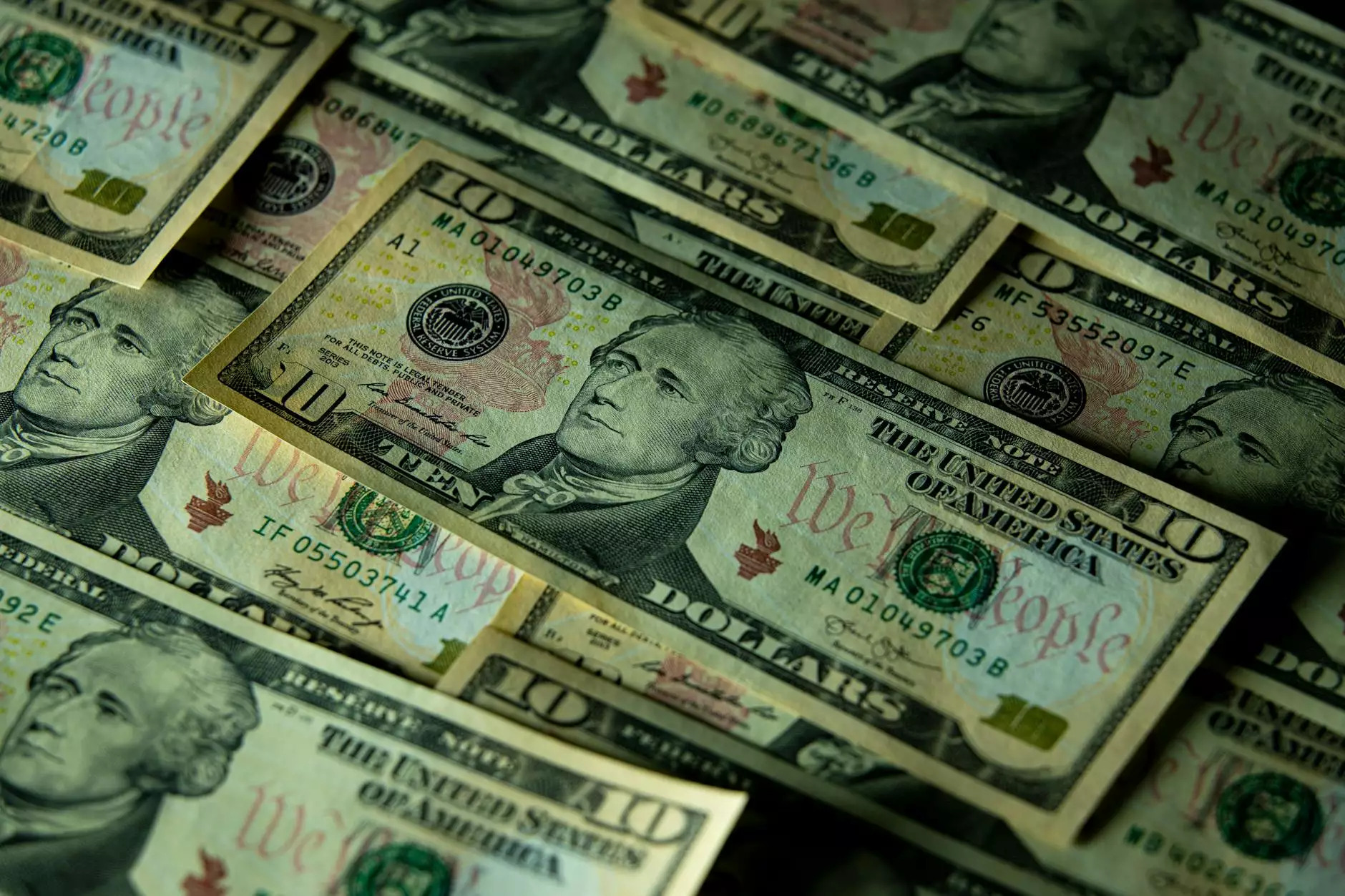
Counterfeit money for sale remains one of the most controversial and misunderstood aspects of the underground economy. Although illegal and fraught with serious legal consequences, the illicit trade of fake money has thrived in various regions across the globe. This article delves deep into the intricacies of the counterfeit currency market, exploring its origins, methods of production, distribution channels, risks, and legal implications. Whether you're a researcher, a law enforcement professional, or simply curious about the mechanics of this shadowy trade, this comprehensive guide will shed light on the complex phenomena surrounding fake money.
The Roots and Evolution of Counterfeit Money
Historical Perspective: from Ancient Fakes to Modern Forgeries
Counterfeiting is as old as currency itself. The earliest instances date back to ancient China, where counterfeit coins were created to undermine rival economies or enrich individuals. Over centuries, the methods evolved from simple impressions of coins to sophisticated counterfeit notes designed to deceive even expert eyes. Today, the relentless advancement of technological tools has made altering and duplicating official currency more feasible than ever.
Modern Counterfeit Money: The Digital Age
In recent decades, the advent of digital technology, high-quality printing, and advanced chemical processes have revolutionized the production of fake money. Today, counterfeiters utilize state-of-the-art printers, holographic overlays, and special inks that mimic the original currency’s security features. As a result, fake money can be deceptively convincing, making detection increasingly challenging for ordinary users and even some financial institutions.
Understanding the Market: Why Does Fake Money Still Thrive?
- Economic Factors: Inflation, economic instability, or high unemployment rates often foster markets for counterfeit cash as desperate buyers seek quick gains or quick liquidity.
- Global Demand: Illicit markets in various countries actively seek fake currency to prop up illegal operations or evade taxes.
- Accessibility of Production Tools: The proliferation of affordable, professional-grade printing equipment has lowered entry barriers for counterfeiters.
- Weak Security Measures: Despite advances, some official currencies lack robust, multi-layered security features, making their fake counterparts harder to detect.
The Process of Creating Fake Money: How Counterfeiters Operate
Design and Planning
The highest-quality counterfeit money begins with meticulous design. Counterfeiters analyze genuine banknotes to replicate details such as microprinting, holograms, watermarks, and color-shifting inks. Professional counterfeiters often work with experienced graphic designers or analyze authentic notes through high-resolution scans.
Production Techniques
- Printing Methods: The most common techniques include offset printing, inkjet printing, or laser printing. Specialized equipment can produce notes with convincing textures and colors.
- Security Feature Replication: Offers counterfeiters the challenge of mimicking security threads, holograms, and UV features, often achieved with specialized inks or overlays.
- Cut and Packaging: Once printed, counterfeit notes are cut and sometimes glued into bundles, packaged to appear genuine, and prepared for distribution.
Distribution Channels and Marketplaces
Underground networks distribute fake money through various channels, including:
- Direct sales via clandestine online platforms
- Physical exchanges in high-traffic criminal hotspots
- Through unregulated currency exchange businesses
- Involvement in larger illegal trade operations, such as drug trafficking or smuggling
The Risks and Dangers Associated with Fake Money Market
Legal Consequences
Possessing, manufacturing, or distributing counterfeit currency is a serious crime in most jurisdictions, punishable by heavy fines and imprisonment. Law enforcement agencies worldwide continually enhance their detection capabilities and conduct undercover operations to combat this illegal trade.
Financial Losses and Deception
Individuals and businesses accepting fake money suffer direct financial losses. Furthermore, when counterfeit bills circulate in the economy, they can cause inflationary pressures and undermine trust in legitimate currency systems.
Detection and Prevention
Advanced detection methods include UV light inspection, magnetic ink detection, and the use of currency validation machines. Educating the public about identifying fake bills is also crucial in preventing circulation.
Legal Alternatives and Ethical Considerations
It is important to emphasize that engaging in or supporting the fake money market is illegal and unethical. Instead, explore legal methods of financial growth and stability. For example:
- Invest in Legitimate Business Ventures: Starting or expanding your own legal enterprise provides sustainable income.
- Cryptocurrency and Digital Payments: Embrace emerging digital assets that are secure and transparent.
- Financial Education: Enhance your knowledge of banking, investments, and money management to improve your economic status ethically.
The Role of Technology in Combating Fake Money
Security Features in Modern Banknotes
Most national currencies have incorporated multiple layers of security features, including:
- Holographic strips and foils
- Color-shifting inks
- Watermarks and transparent windows
- Microprinting and fine line printing
- UV-reactive elements
Innovations in Detection Devices
Technological advancements now provide sophisticated tools for businesses and law enforcement, including handheld UV scanners, currency authentication pens, and electronic validation machines, making it easier to discern authentic notes from counterfeits.
The Ethical and Practical Stance on Fake Money
Counterfeit money for sale and usage undermine economic stability and promote criminal activity. Engaging in the production or distribution of fake money has serious consequences and contributes to the destabilization of economies. Legal and ethical practices should always be prioritized to maintain personal integrity and societal trust.
Conclusion: Navigating the Complex World of Fake Money
Although the market for counterfeit money for sale exists and has evolved considerably with technology, awareness and vigilance remain key in combating this illegal trade. Understanding the methods behind counterfeit production, the risks involved, and the importance of robust security features can help individuals and institutions protect themselves and their communities.
If you’re seeking information or support regarding counterfeit currency, always rely on reputable sources and legal avenues. Remember, engaging with or attempting to purchase fake money carries significant legal risks and ethical concerns. Instead, focus on legitimate financial growth and ethical entrepreneurship to ensure long-term stability and success.
Additional Resources and Further Reading
- undetectedbanknotes.com – Your reliable source for legitimate, high-quality currency detection solutions and information about fake money.
- Understanding Currency Security Features – Central Bank Publications and Resources
- Legal Frameworks on Counterfeiting – International Law and Enforcement Agencies
- Money Management and Financial Literacy – Educational Platforms and Courses
Remember, knowledge is your best weapon against counterfeit currency. Stay informed, stay vigilant, and always prioritize legal and ethical practices in all financial dealings.